GUIDE 01
How to Mow a Steep Hill Safely
Cornerstone guide to slope measurement, mower limits, moisture, hazards and safer equipment decisions.
Read the guide →
GUIDE 02
How Steep Is Too Steep for a Riding Mower?
Understand manufacturer limits, rollover risk, traction, turns and when specialized equipment is appropriate.
Read the guide →
GUIDE 03
Can You Use a Zero-Turn Mower on a Hill?
A focused guide to zero-turn steering, sliding, wet grass, turns and directional control.
Read the guide →
GUIDE 04
How to Measure a Yard’s Slope in Degrees and Percent Grade
Calculate rise over run, convert degrees and percent grade, and avoid common measurement errors.
Read the guide →
GUIDE 05
Why Lawn Mowers Slide on Wet Hills
See how wet vegetation, saturated soil, machine weight and turning affect traction and turf.
Read the guide →
GUIDE 06
Should You Mow Across a Slope or Up and Down?
Direction depends on the exact machine, manufacturer instructions, turns, traction and hazards.
Read the guide →
GUIDE 07
7 Signs Your Hill Needs a Professional Slope-Mowing Service
Seven practical signs, plus the information to send for a professional property evaluation.
Read the guide →
GUIDE 08
What to Do When Lawn Companies Refuse to Mow Your Hill
Document grade, access, vegetation and hazards without pressuring a conventional crew beyond its limits.
Read the guide →
GUIDE 09
The Risks of Using a Weed Eater on a Large Steep Bank
Understand footing, fatigue, heat, debris and repeated manual cutting exposure.
Read the guide →
GUIDE 10
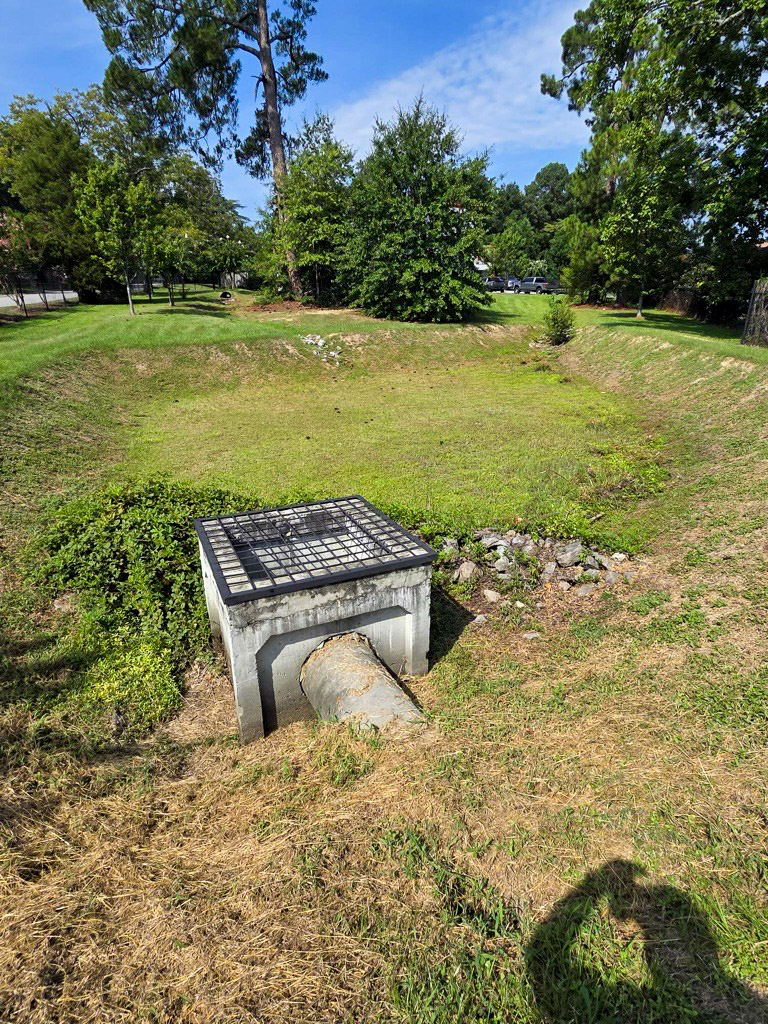
Mowing Near Ponds, Creeks, Culverts, and Drop-Offs
Plan water-edge buffers, identify soft soil and drainage structures, and protect stormwater slopes.
Read the guide →
GUIDE 11
Remote-Controlled Mowing vs. Manual Hillside Cutting
Compare operator exposure, labor, finish, terrain impact, access and limitations.
Read the guide →
GUIDE 12
Can a Remote-Controlled Mower Damage a Hillside?
An honest guide to tracks, ground pressure, wet soil, turning, rutting and erosion risk.
Read the guide →